Introduction
The mobile app industry is constantly evolving, driven by advancements in technology and changing user preferences. Staying up-to-date with the latest design trends is crucial for creating apps that not only meet user expectations but also stand out in a competitive market. This article explores the top trends in mobile app design for 2024, providing insights into the future of app design and development.
Minimalist and Clean Design
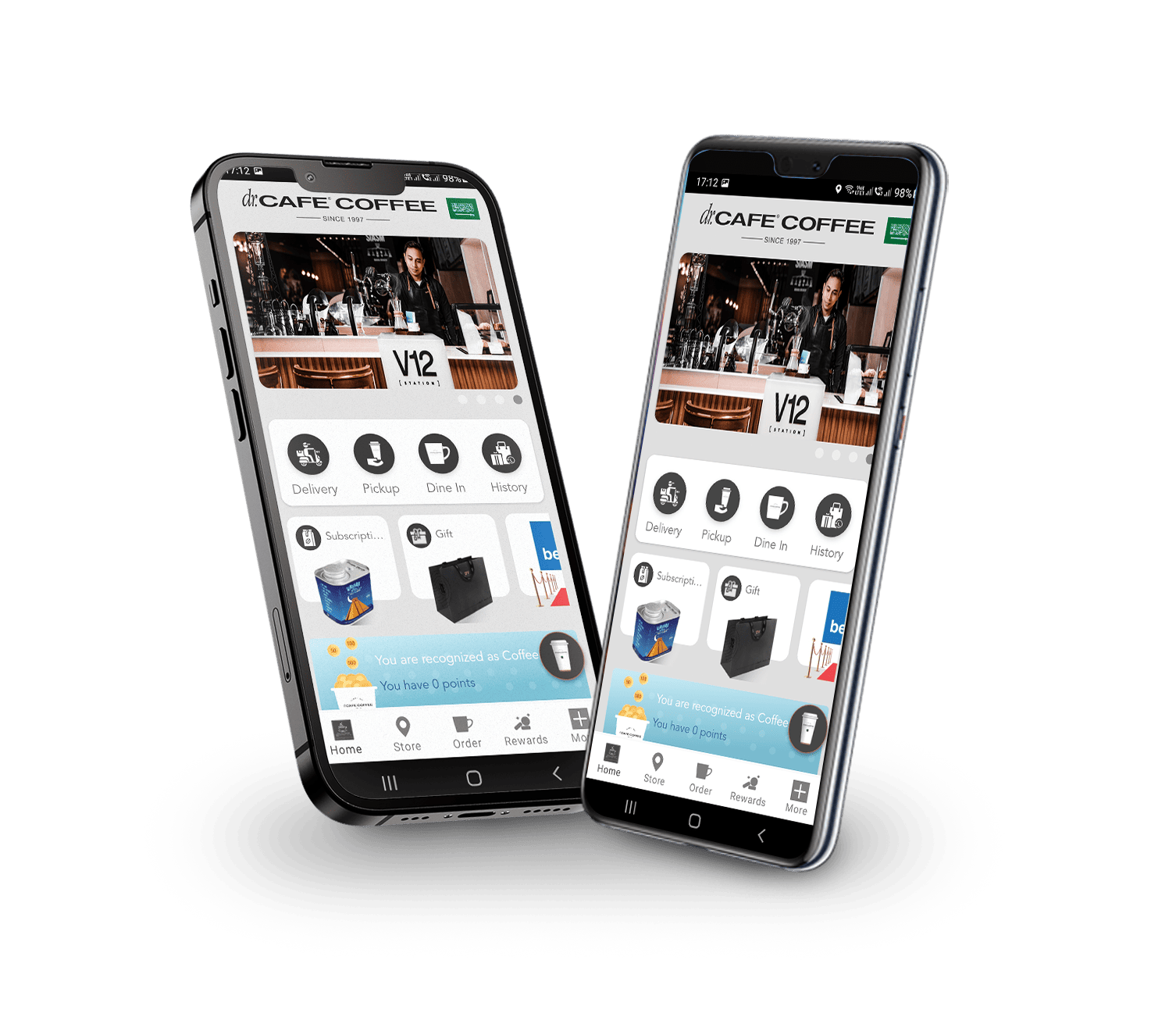
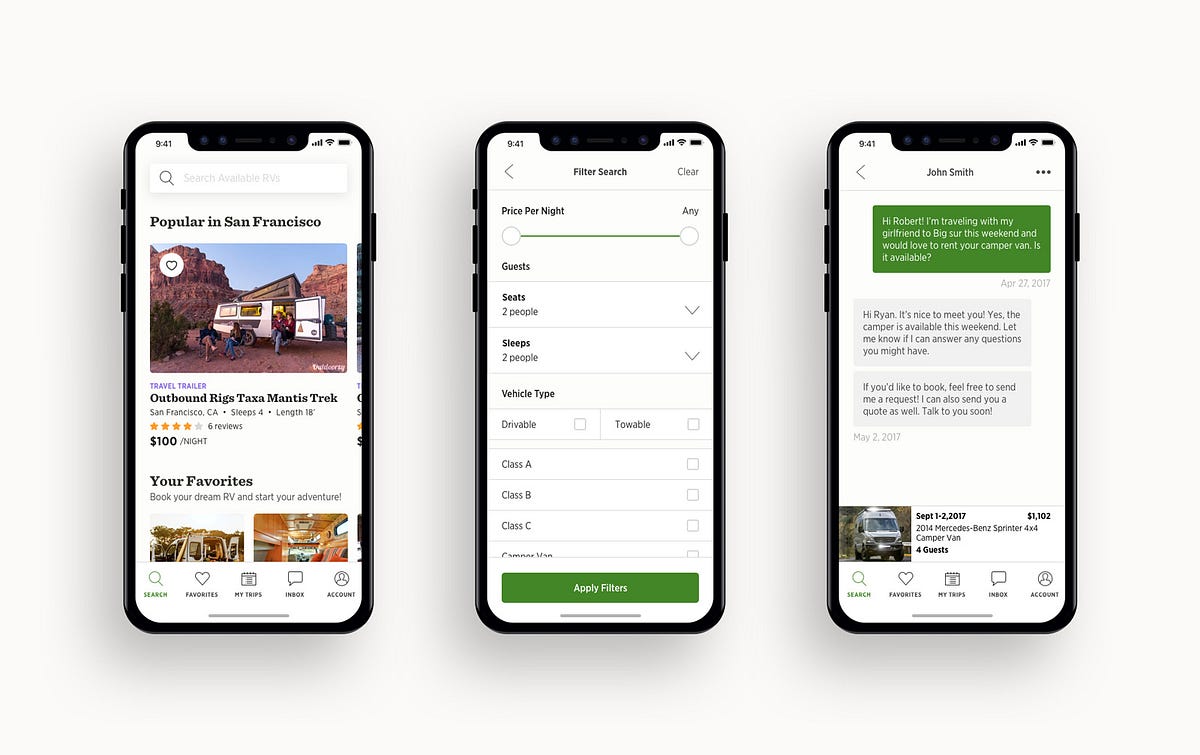
- Simplicity and Clarity: Minimalist design continues to dominate, with a focus on simplicity and clarity. Clean interfaces with ample white space and straightforward navigation enhance user experience by reducing clutter and distractions.
- Flat Design: Flat design, characterized by the use of simple shapes, colors, and typography, remains popular. It emphasizes functionality and usability, making it easier for users to interact with the app.
Dark Mode
- User Preference: Dark mode has become a user preference for many, offering a visually appealing and comfortable viewing experience, especially in low-light environments.
- Battery Efficiency: Dark mode can help save battery life on OLED and AMOLED screens, as it reduces the amount of light emitted by the screen.
Neumorphism
- Soft UI: Neumorphism combines flat design and skeuomorphism, creating a soft, 3D-like appearance. This design trend uses subtle shadows and highlights to make elements appear as if they are extruding from the background.
- Realistic Touch: Neumorphism provides a more tactile and realistic feel to the user interface, enhancing the overall user experience.
Augmented Reality (AR) Integration
- Immersive Experiences: AR integration is becoming more prevalent, offering immersive experiences that blend digital content with the real world. Apps in retail, gaming, and education are leveraging AR to provide interactive and engaging experiences.
- Practical Applications: AR is used for practical applications, such as virtual try-ons, interior design visualizations, and navigation, enhancing the app’s functionality and user engagement.
Voice User Interface (VUI)
- Voice Commands: The integration of VUI allows users to interact with apps using voice commands. This hands-free interaction is particularly useful for tasks that require minimal user input or when the user’s hands are occupied.
- Natural Language Processing (NLP): Advances in NLP enable more accurate and efficient voice recognition, making VUI more reliable and user-friendly.
Personalized User Experience
- Customization: Apps are increasingly offering customization options, allowing users to personalize their interface, settings, and content preferences. This creates a more engaging and tailored experience.
- AI and Machine Learning: AI and machine learning algorithms analyze user behavior and preferences to deliver personalized content, recommendations, and notifications.
Microinteractions
- User Engagement: Microinteractions are small, subtle animations or design elements that enhance user engagement. They provide feedback, guide users, and make the app more interactive and enjoyable.
- Visual Delight: These elements add a layer of visual delight, making the app experience more memorable and satisfying.
Biometrics and Security
- Biometric Authentication: With increasing concerns about security and privacy, biometric authentication methods such as fingerprint scanning, facial recognition, and voice recognition are becoming standard features in mobile apps.
- Secure Transactions: Apps in finance, healthcare, and e-commerce are incorporating biometric authentication to secure transactions and sensitive information, enhancing user trust and confidence.
3D Graphics and Animation
- Enhanced Visuals: 3D graphics and animations create a more engaging and visually appealing experience. They are used in gaming, education, and entertainment apps to provide a richer and more immersive experience.
- Interactive Elements: 3D elements can be interactive, allowing users to manipulate objects and explore environments in a more dynamic and engaging way.
Gesture-Based Navigation
- Intuitive Interaction: Gesture-based navigation simplifies user interaction by replacing traditional buttons and menus with intuitive gestures. Swipes, taps, and pinches are used to navigate and control the app, creating a more fluid and seamless experience.
- Screen Real Estate: By minimizing the need for on-screen buttons, gesture-based navigation maximizes screen real estate, allowing for a cleaner and more immersive interface.
Sustainable and Ethical Design
- Eco-Friendly Practices: There is a growing emphasis on sustainable and ethical design practices. This includes using eco-friendly materials, minimizing energy consumption, and promoting responsible usage habits.
- Inclusivity and Accessibility: Apps are being designed with inclusivity and accessibility in mind, ensuring that they are usable by people of all abilities and backgrounds. This includes features like voice commands, text-to-speech, and adjustable text sizes.
Conclusion
The mobile app design landscape is continually evolving, driven by technological advancements and changing user preferences. The top trends for 2024—minimalist and clean design, dark mode, neumorphism, AR integration, VUI, personalized user experiences, microinteractions, biometrics, 3D graphics, gesture-based navigation, and sustainable design—reflect the growing emphasis on user-centric, immersive, and secure experiences. By staying abreast of these trends, developers and designers can create innovative and engaging apps that meet the needs and expectations of modern users.