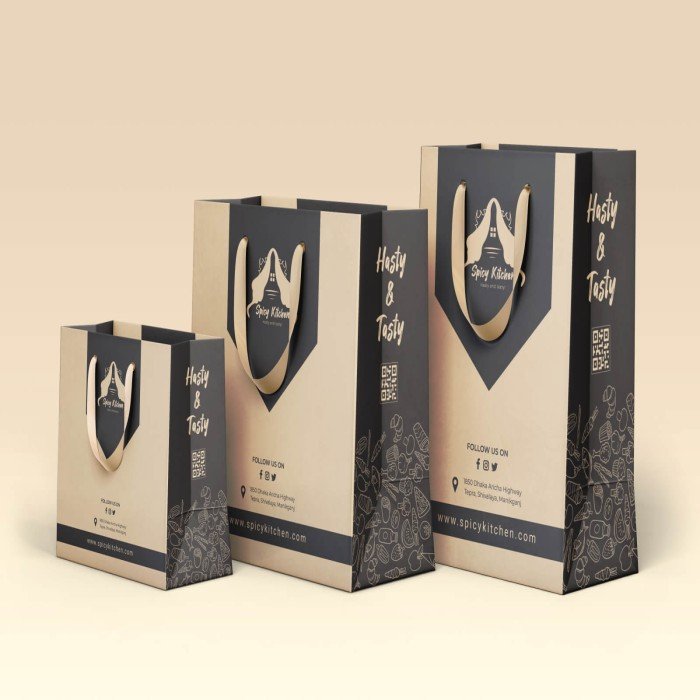
Think of the last truly memorable purchase you made in Dubai. Beyond the product itself, what do you recall? Perhaps the impeccable service, the stunning store ambiance… and very likely, the bag you carried away with your prized possession. In Dubai’s competitive landscape, a bag is more than a container; it’s a statement, a silent ambassador of your brand, and a potent tool to elevate your merchandising strategy from functional to phenomenal.
But crafting bags that truly resonate with your brand and captivate your target audience is no simple feat. It requires a blend of creative vision, strategic branding expertise, and a deep understanding of the Dubai market’s unique nuances. This is where partnering with the best bag design services in Dubai becomes not just beneficial, but often essential.
This blog post serves as your compass, guiding you through the process of identifying and selecting the ideal bag design service in Dubai. We will explore the key considerations, the critical questions to ask, and the actionable steps to take to ensure you find a partner who can truly elevate your brand’s merchandising through exceptional bag design.
Step 1: Define Your Merchandising Goals and Bag’s Role
Before diving into the search for a design service, you must first solidify your own objectives. What are your specific merchandising goals, and what role do you envision bags playing in achieving them?
- Brand Message Reinforcement: What core message do you want your brand to convey? Is it luxury, sustainability, innovation, or something else? Your bags should be a tangible extension of this message. Define the key adjectives you want customers to associate with your brand and ensure your bag design aligns with them.
- Target Audience Consideration: Who are you trying to reach? Understanding your target demographic’s preferences, lifestyle, and values is crucial. Are you targeting high-net-worth individuals, fashion-conscious millennials, eco-conscious consumers, or a broader market? Your bag design should resonate with their aesthetic sensibilities and practical needs.
- Product Type and Context: What type of products will these bags be carrying? Are they delicate luxury items, robust everyday goods, or promotional materials? The bag’s design, material, and structure must be appropriate for the products they will hold and the context in which they will be used.
- Functionality and Reusability: Are you aiming for single-use shopping bags, reusable tote bags for everyday use, or specialized packaging bags for product presentation? Consider the desired lifespan and functionality of the bag. Reusable bags, for example, offer extended brand visibility and align with sustainability trends, while specialized packaging bags prioritize product protection and presentation.
- Budgetary Constraints: Bag design and production costs can vary significantly depending on materials, complexity, and volume. Establish a realistic budget upfront to guide your design choices and service selection. Factor in not just the design fees but also the ongoing production costs.
- Desired Impact on Customer Experience: How do you want customers to feel when they receive and carry your bag? Do you want to evoke a sense of luxury, excitement, practicality, or environmental consciousness? The bag should be a positive touchpoint in the customer journey, enhancing their overall brand experience.
Clearly defining these goals will provide a solid foundation for your search and ensure that you choose a bag design service that is aligned with your overall merchandising strategy.
Step 2: Brainstorm Your Ideal Bag Design Vision
With your goals defined, start brainstorming the visual and tactile elements of your ideal bag design. This isn’t about creating a finalized design yourself, but rather developing a clear vision to communicate to potential design services.
- Material Preferences: Explore different material options – paper, fabric (cotton, canvas, jute, non-woven), plastic (traditional or recycled), or even innovative materials like plant-based alternatives. Research the pros and cons of each material in terms of cost, durability, aesthetics, and sustainability. In Dubai’s climate, consider materials that are both stylish and resilient to heat and humidity.
- Style and Structure: Consider different bag styles: paper shoppers, tote bags, drawstring bags, handle bags, gift bags, box bags, etc. Think about the desired shape, size, and structure. Should it be minimalist and sleek, bold and graphic, classic and elegant, or trendy and playful?
- Color Palette and Branding Elements: Determine your core brand colors and how they will be incorporated into the bag design. Plan how your logo, tagline, or other brand identifiers will be featured. Will you use subtle embossing, bold printing, or creative patterns to showcase your branding?
- Desired Embellishments and Finishes: Think about adding special touches to elevate the design – unique handles (rope, ribbon, fabric), closures (buttons, zippers, magnets), decorative elements (eyelets, tags, charms), or special finishes (lamination, embossing, spot UV). These details can significantly enhance the perceived value and visual appeal of the bag.
- Sustainability Considerations in Design: If sustainability is a priority, brainstorm design features that enhance the bag’s eco-friendliness. This could include using recycled materials, designing for reusability (stronger construction, versatile style), minimizing material waste in production, and choosing eco-friendly printing inks and finishes.
Creating a mood board or a visual collection of bag designs you admire can be incredibly helpful in communicating your vision to potential design services.
Step 3: Research and Identify Bag Design Services in Dubai
Now, it’s time to actively seek out bag design services in Dubai. Utilize these avenues to build a list of potential partners:
- Online Search Engines (Google, Bing, etc.): Use targeted keywords such as “bag design services Dubai,” “packaging design Dubai,” “branding agencies Dubai (bag design),” “sustainable bag design Dubai,” “custom bag manufacturers Dubai.” Explore search results beyond the first page and look for agencies with strong online presence and detailed websites.
- Industry Directories and Platforms: Explore online directories that list design agencies and creative services in Dubai and the UAE. Platforms like Behance, Dribbble (filter by location), DesignRush, Clutch, and local business directories can be valuable resources.
- LinkedIn and Professional Networks: Leverage LinkedIn to search for designers and design agencies in Dubai specializing in bag or packaging design. Look at profiles, portfolios, and connections to identify potential leads. Reach out to your professional network in Dubai for recommendations.
- Retail and Brand Inspiration (Reverse Engineering): Pay attention to the bags used by brands you admire in Dubai’s retail scene. If you are particularly impressed by a bag design, try to identify the design agency or manufacturer behind it (sometimes credited on the bag itself or through online research). This can lead you to discover relevant design services.
- Trade Shows and Industry Events: Attend relevant trade shows and industry events in Dubai related to retail, marketing, branding, or packaging. These events often feature exhibitors showcasing design and production services, providing opportunities for face-to-face interaction and discovery.
- Ask for Recommendations: Tap into your existing network of suppliers, partners, or fellow business owners in Dubai. Ask for recommendations for bag design services they have used or heard positive feedback about. Word-of-mouth referrals can be highly valuable.
As you research, compile a list of potential bag design services, noting their website URLs, contact information, and any initial impressions based on their online presence and portfolio.
Step 4: Evaluate Potential Services – Key Criteria & Questions
With a list of potential bag design services in hand, it’s time to evaluate them more thoroughly. Use these criteria and questions to narrow down your choices:
- Portfolio Review (Focus on Bag Design): Carefully examine their portfolio, specifically looking for bag design projects. Do they showcase a variety of bag styles, materials, and design aesthetics? Do their designs align with your brand’s style and target audience? Look for projects that demonstrate creativity, attention to detail, and a strong understanding of branding.
- Industry Experience and Client Base: Do they have experience working with brands in your industry or similar sectors in Dubai? Review their client list. Have they worked with reputable brands? Industry-specific experience can be a significant advantage.
- Usability and Functionality Focus: While aesthetics are crucial, probe their understanding of bag functionality and user experience. Do they consider the bag’s practical use and how it will perform in real-world scenarios? Ask about their approach to balancing visual appeal with usability.
- Design Process and Methodology: Inquire about their design process. Do they follow a user-centered approach? Do they incorporate client feedback and revisions? Do they offer prototyping or sampling stages? A well-defined and collaborative design process is essential.
- Material Knowledge and Sourcing: Assess their knowledge of different bag materials, printing techniques, and finishes. Do they have access to a wide range of material options, including sustainable choices? Can they assist with material sourcing and production coordination?
- Sustainability Commitment (if relevant): If eco-friendly bags are a priority, specifically inquire about their sustainability practices, material options, and certifications. Do they actively promote sustainable bag designs?
- Communication and Collaboration Style: During your initial interactions, evaluate their communication style. Are they responsive, professional, and proactive? Do they seem genuinely interested in understanding your needs and vision? Effective communication is crucial for a successful design partnership.
- Client Testimonials and References: Request client testimonials or case studies that specifically highlight their bag design services. If possible, ask for references and reach out to past clients to gather firsthand feedback on their experience working with the service.
- Pricing Structure and Quotation: Obtain detailed quotations from a shortlist of services, outlining their design fees, material consultation costs, and any potential production management fees. Compare pricing structures and ensure you understand what is included in each quote. While price shouldn’t be the sole deciding factor, it’s a crucial consideration.
Step 5: Engage and Collaborate on the Design Process
Once you’ve selected your preferred bag design service, initiate the design process collaboratively.
- Initial Briefing and Vision Sharing: Clearly communicate your merchandising goals, brand vision, ideal bag design concepts, and budgetary parameters. Share your mood board and any inspirational materials you’ve gathered. Ensure the design service fully understands your objectives.
- Design Concept Development and Presentation: Expect the service to present you with initial design concepts based on your brief. Provide constructive feedback on these concepts, focusing on how well they align with your brand, target audience, and merchandising goals.
- Iteration and Refinement: Be prepared for a process of iteration and refinement. Design is rarely perfect on the first attempt. Provide clear and specific feedback on each design iteration, working collaboratively with the design team to fine-tune the bag design.
- Material and Sample Selection: Work closely with the service to select the best materials and finishes for your bags. Request material samples to assess texture, durability, and print quality. If possible, request a physical prototype or sample bag to evaluate the design in 3D and assess its functionality.
- Final Design Approval and Production Coordination: Once you are completely satisfied with the design, material selection, and any necessary revisions, provide your final approval. Discuss production logistics, timelines, and quality control measures with the design service and their production partners.
Step 6: Measure the Impact and Iterate (Post-Launch)
The journey doesn’t end with bag production. After launching your new branded bags, it’s crucial to measure their impact on your merchandising efforts and customer experience.
- Gather Customer Feedback: Actively solicit customer feedback on the new bags. Use surveys, social media polls, in-store feedback forms, or direct conversations to gather insights on their perceptions of the bag design, functionality, and overall brand experience.
- Track Bag Usage and Reusability (if applicable): If you’ve designed reusable bags, observe and track their usage over time. Are customers reusing them? Are they contributing to increased brand visibility beyond the point of purchase?
- Analyze Sales Data and Customer Loyalty: Assess whether the new bags have contributed to any positive changes in sales figures or customer loyalty metrics. While bags are just one element, a well-designed bag can contribute to a stronger brand image and improved customer relationships.
- Iterate and Evolve: Bag design is not static. Based on customer feedback, market trends, and your evolving brand strategy, be prepared to iterate and refine your bag designs over time. Stay in communication with your design service to continuously optimize your bag merchandising strategy.
Crafting Bags that Build Brands in Dubai
In Dubai’s sophisticated retail environment, your brand’s merchandising deserves nothing less than exceptional execution. And while often overlooked, the humble shopping bag presents a powerful opportunity to elevate your brand, enhance the customer experience, and create a lasting impression.