Dubai’s corporate world is a dazzling arena of ambition, innovation, and prestige, where first impressions can make or break a deal. Amid this high-stakes environment, the humble business card has evolved from a simple contact slip into a powerful branding tool, reflecting the city’s journey from a trading outpost to a global business hub. Over the decades, business card design in Dubai has transformed, mirroring shifts in technology, culture, and corporate identity. In 2025, as networking thrives in this cosmopolitan melting pot, what does this evolution look like, and how has it shaped Dubai’s business landscape? Let’s trace the path of business card design and uncover its role in the emirate’s corporate narrative.
The Early Days: Simplicity and Functionality
In the 1970s and 1980s, as Dubai’s economy pivoted from pearling to oil and trade, business cards were utilitarian. Traders, merchants, and early expat professionals exchanged basic cards—white or beige stock, black ink, and minimal details: name, title, company, and a landline. Arabic script dominated for local firms, often paired with simple logos like a dhow or falcon, nodding to Emirati heritage. Printing was rudimentary, with letterpress or offset techniques producing crisp but plain designs.
These cards were practical, not flashy, reflecting a modest era before Dubai’s skyscrapers rose. Handed out at souks or small offices, they served one purpose: contact sharing. Design was secondary—functionality ruled in a city focused on building its foundations.
The 1990s: A Touch of Glamour Emerges
As Dubai’s skyline soared with the Burj Al Arab’s debut in 1999, its corporate world caught the luxury bug, and business cards followed suit. The 1990s saw a shift to gloss and glamour, mirroring the city’s new identity as a destination for wealth and ambition. Cards upgraded to thicker cardstock—200-300 GSM—often with glossy finishes or embossed logos. Colors crept in: gold for prestige, blue for trust, reflecting Dubai’s growing sectors like real estate and tourism.
Typography grew bolder—Helvetica or Times New Roman gave way to custom fonts, sometimes mimicking Arabic calligraphy. Bilingual designs emerged, with English and Arabic side-by-side, catering to an influx of expats. A property developer’s card might feature a skyline sketch, while a trader’s boasted a metallic sheen. This era marked a turning point: cards weren’t just info—they were status, handed out at networking events in Deira or early DIFC gatherings.
The 2000s: Digital Influence and Branding Boom
The 2000s brought the internet to Dubai, alongside a corporate boom—think free zones, multinationals, and startups. Business card design evolved into a branding exercise. Companies like Nakheel or Emirates plastered logos front and center, with consistent color schemes (gold, green, blue) tying cards to their identity. Matte finishes replaced gloss for a sophisticated edge, while UV coating added subtle shine to key elements—names or taglines.
Digital details crept in—email addresses, websites, even LinkedIn URLs—reflecting Dubai’s tech adoption. Layouts got creative: vertical orientations, die-cut shapes (a Burj silhouette), or double-sided prints with maps on the back. A DIFC banker’s card might pair minimalist text with a QR code to a profile, blending print with online. This decade saw cards as mini-billboards, swapped at Business Bay mixers or Jumeirah boardrooms, signaling Dubai’s corporate confidence.
The 2010s: Luxury Meets Innovation
By the 2010s, Dubai was a global player, and business card design hit peak luxe. In a city of Rolls-Royces and gold ATMs, cards became statements. Premium materials ruled—metal, wood, even translucent plastic—crafted with laser etching or foil stamping. A CEO’s card might be stainless steel, engraved with a 3D logo, while a startup founder’s used bamboo for eco-cred.
Design leaned into Dubai’s flair: holographic accents, embossed patterns (sand dunes, Arabic lattices), and neon edges for nightlife pros. Typography fused tradition with modernity—Arabic script flowed into sleek sans-serifs. Digital integration deepened—NFC chips embedded in cards linked to portfolios when tapped, a nod to Dubai’s smart-city ambitions. Handed out at Expo 2020 or Dubai Design Week, these cards screamed prestige, doubling as keepsakes in a networking-obsessed culture.
2025: A Futuristic Fusion
In 2025, Dubai’s business card design is a futuristic fusion of tech, culture, and sustainability, reflecting the city’s corporate evolution. Print endures, but it’s elevated—cards are now multi-sensory experiences. Augmented reality (AR) layers animate logos when scanned—a real estate agent’s card might reveal a 3D villa model. NFC and RFID chips are standard, syncing contacts or portfolios to phones with a tap, perfect for DIFC’s fast-paced dealmakers.
Materials push boundaries: recycled plastics, seed paper (plantable post-use), or bio-leather signal Dubai’s green shift, tied to UAE Vision 2021’s legacy. Designs dazzle—neon gradients, 3D embossing, or micro-LEDs that glow briefly when touched. A tech founder’s card might pulse with circuitry patterns, while a luxury retailer’s shimmers with gold foil palm leaves. Typography blends Arabic’s elegance with minimalist fonts, often in bilingual harmony.
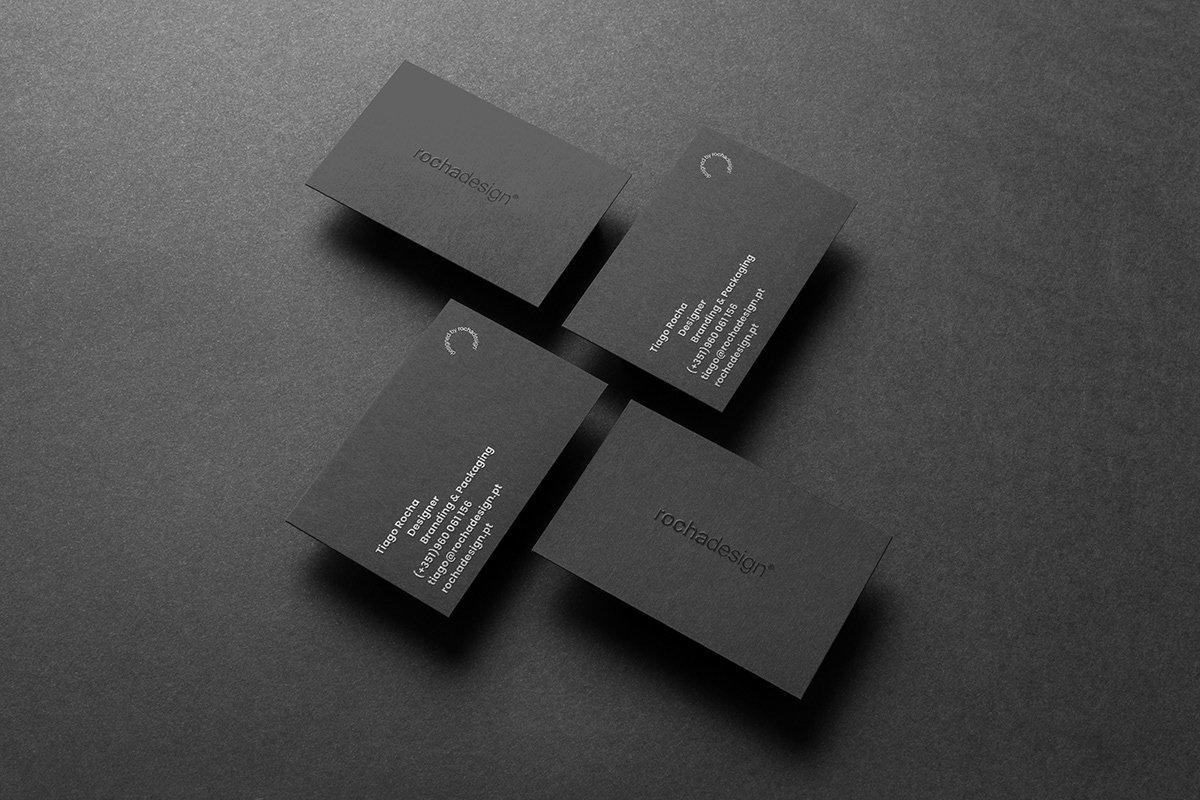
Sustainability meets luxe—cards are slimmer (200 GSM max) yet premium, with eco-inks in earthy or bold hues. Shapes break norms: circular cards, hexagonal cuts, or fold-outs with mini-maps of Dubai’s business hubs. In 2025, these cards aren’t swapped—they’re showcased, at Burj Al Arab galas or D33 networking events, embodying Dubai’s ethos of innovation and opulence.
What’s Driving This Evolution?
Several forces fuel this shift. Cultural pride—Arabic motifs and bilingualism root cards in Dubai’s identity, appealing to locals and expats alike. Luxury culture—in a city of excess, cards must match the sheen of Rolexes and penthouses. Technology—NFC, AR, and smart materials align with Dubai’s 5G, AI-driven future. Networking intensity—with millions of business interactions yearly, cards are a first handshake, demanding impact.
Sustainability reflects global trends and local goals, while competition—among firms and individuals—pushes creativity. Dubai’s corporate world thrives on differentiation; a standout card can spark a deal in a sea of suits. Agencies like Digital Bee Studio or Print Arabia drive this, offering bespoke designs that fuse tradition with tomorrow.
Impact on Dubai’s Corporate World
This evolution reshapes how business gets done. Cards build trust—a sleek, tech-savvy design signals professionalism in a trust-first market. They boost recall—a memorable card lingers in a client’s mind or wallet, outlasting a fleeting email. They drive branding—consistent logos, colors, and materials reinforce identity, vital in Dubai’s crowded sectors like real estate or finance.
They also fuel connections—digital integrations make follow-ups instant, while luxe designs impress at first meet. For startups, a bold card levels the playing field; for tycoons, it cements stature. In 2025, they’re not just paper—they’re strategy, reflecting Dubai’s corporate pulse.
The evolution of business card design in Dubai’s corporate world is a microcosm of the city’s rise—functional roots giving way to luxurious, tech-forward flair. From 1970s simplicity to 2025’s AR-enhanced, eco-luxe creations, this journey mirrors Dubai’s shift from trade hub to global titan. In a networking-driven economy, where impressions are currency, these cards aren’t relics—they’re power moves, blending culture, innovation, and ambition. For professionals navigating DIFC’s towers or Deira’s markets, a well-designed card is a ticket to the game, proving that in Dubai, even the smallest canvas can tell the grandest story.
Subscribe To Receive The Latest News
Subscribing to receive the latest news from our London design company will keep you up-to-date on our latest projects, industry news, and design trends, while also providing you with exclusive offers and discounts on our services.
Read our Privacy Policy here.