Introduction
In today’s digital age, a business website is often the first point of contact between a company and its potential customers. An effective business website can drive engagement, generate leads, and build brand credibility. This article explores the essential elements of an effective business website, providing insights into design, functionality, and user experience.
Clear and Compelling Value Proposition
- Homepage Messaging: Clearly communicate your value proposition on the homepage. Explain what your business does, how it can benefit customers, and why they should choose you over competitors.
- Unique Selling Points (USPs): Highlight your USPs to differentiate your business from others. Use concise and impactful messaging to convey your key advantages.
User-Friendly Navigation
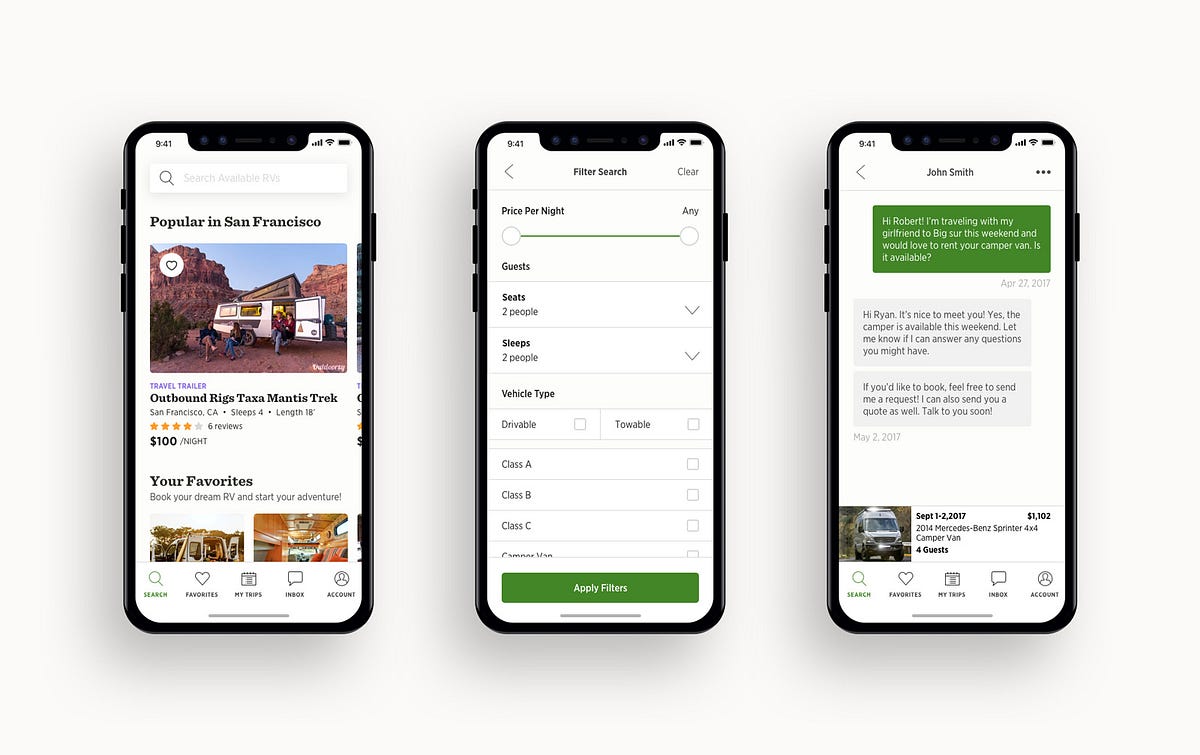
- Intuitive Menu Structure: Organize your website’s menu in a logical and intuitive manner. Ensure that visitors can easily find the information they are looking for without having to dig through multiple pages.
- Breadcrumbs and Search Bar: Use breadcrumbs to help users understand their location within the site. A search bar enables visitors to quickly find specific content or products.
Responsive Design
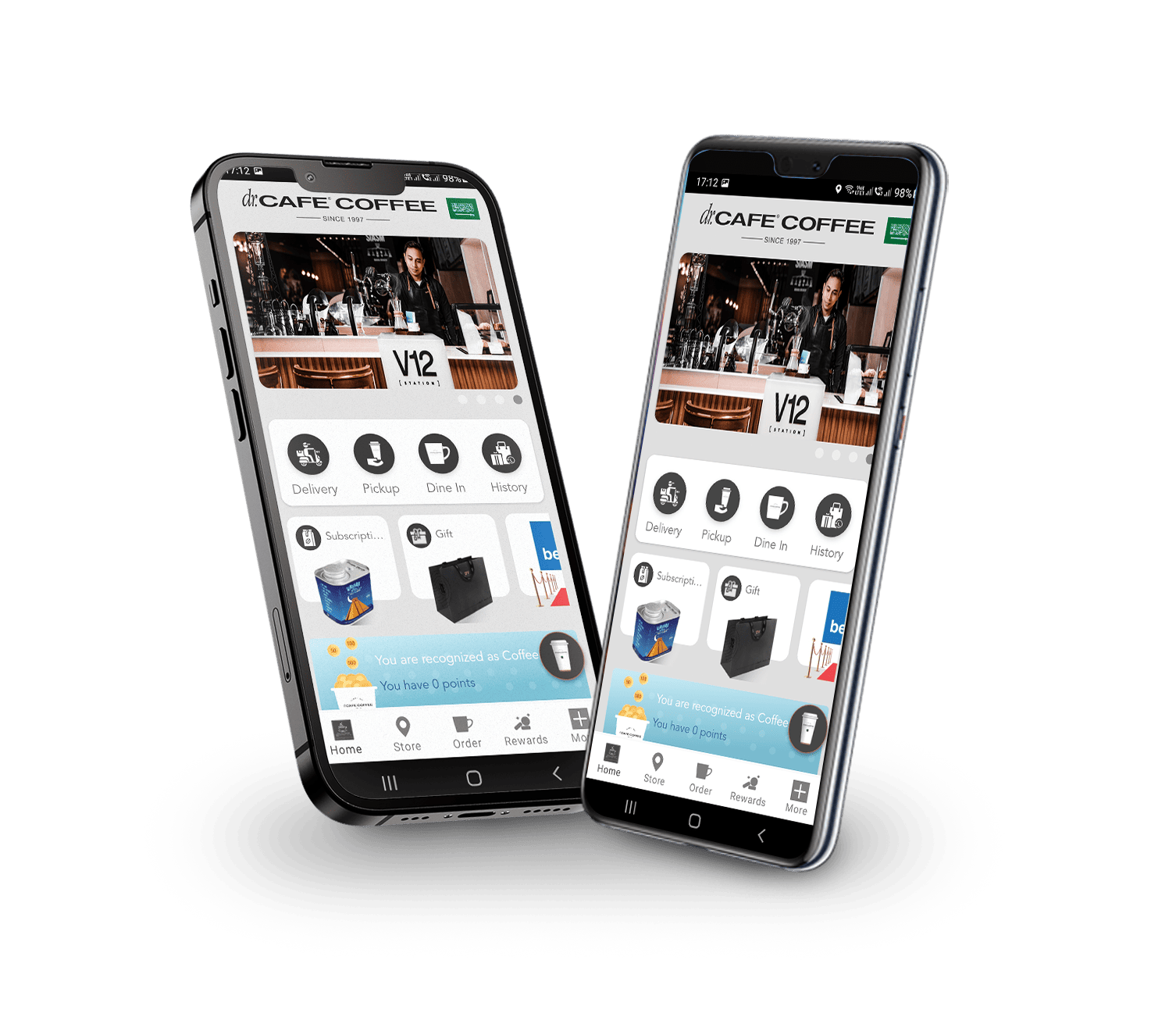
- Mobile Optimization: Ensure your website is fully responsive and optimized for mobile devices. With increasing mobile internet usage, providing a seamless experience across all devices is crucial.
- Fast Loading Times: Optimize your website’s performance to ensure fast loading times. This improves user experience and reduces bounce rates.
High-Quality Content
- Engaging Copy: Write clear, engaging, and informative copy that speaks directly to your target audience. Use a tone and style that aligns with your brand identity.
- Visual Content: Incorporate high-quality images, videos, and infographics to enhance your content. Visual elements can help convey your message more effectively and keep visitors engaged.
Strong Call-to-Actions (CTAs)
- Clear CTAs: Use clear and compelling CTAs to guide visitors towards desired actions, such as signing up for a newsletter, requesting a quote, or making a purchase.
- Prominent Placement: Place CTAs strategically throughout your website, ensuring they are easily visible and accessible.
Trust Signals
- Customer Testimonials: Display customer testimonials and reviews to build credibility and trust. Real-life experiences and positive feedback can reassure potential customers.
- Certifications and Awards: Highlight any industry certifications, awards, or recognitions your business has received. This adds to your credibility and demonstrates your expertise.
Contact Information
- Easy Access: Make it easy for visitors to find your contact information. Include a dedicated “Contact Us” page with multiple contact options, such as phone, email, and a contact form.
- Location Details: If applicable, provide your physical address and a map to help visitors locate your business.
Search Engine Optimization (SEO)
- Keyword Optimization: Optimize your website’s content with relevant keywords to improve search engine rankings. Conduct keyword research to identify terms your target audience is searching for.
- Meta Tags and Descriptions: Use meta tags and descriptions to provide search engines with information about your website’s content. This can improve visibility and click-through rates.
Analytics and Tracking
- Performance Metrics: Implement analytics tools, such as Google Analytics, to track your website’s performance. Monitor key metrics, such as traffic, bounce rates, and conversion rates, to gain insights into user behavior.
- A/B Testing: Conduct A/B testing to compare different versions of your website’s pages and determine which performs better. Use the results to optimize your website for better user experience and conversions.
Security Features
- SSL Certificate: Secure your website with an SSL certificate to protect user data and enhance trust. An SSL certificate encrypts data transmitted between the user and the server.
- Privacy Policy: Include a privacy policy that explains how you collect, use, and protect user data. This transparency builds trust and complies with legal requirements.
Conclusion
An effective business website is a critical tool for attracting and engaging customers, building brand credibility, and driving business growth. By incorporating clear value propositions, user-friendly navigation, responsive design, high-quality content, strong CTAs, trust signals, accessible contact information, SEO, analytics, and security features, businesses can create a compelling online presence that meets the needs of their target audience. Investing in a well-designed and optimized website is essential for success in today’s competitive digital landscape.